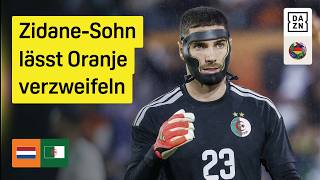
Background and significance of the Netherlands‑Algeria clash
The footballing rivalry between the Netherlands and Algeria has grown in prominence over the past decade. Both nations possess distinct styles—Dutch football traditionally emphasizes fluid attacking play, while Algerian teams are known for their physical resilience and tactical discipline. Encounters between the two sides often serve as a litmus test for how each squad will perform on the world stage, especially with major tournaments on the horizon.
Historically, the Netherlands has enjoyed a stronger record in European competitions, yet Algeria’s rapid rise in African football has produced memorable moments against European opposition. The most recent meeting, a friendly match held ahead of the 2026 FIFA World Cup, offered a glimpse into the evolving strategies of each side and provided fans with a preview of potential World Cup narratives.
Recent friendly encounter: a detailed overview
In a preparatory match staged at a well‑known stadium, the Netherlands hosted Algeria in a game that combined tactical experimentation with a showcase of emerging talent. The fixture ended with a narrow victory for Algeria, the decisive goal arriving in the final minutes of the match. This result, while surprising to some observers, highlighted the effectiveness of Algeria’s counter‑attacking approach against a Dutch side that was still fine‑tuning its offensive cohesion.
Key moments of the match included:
- Early possession dominance by the Dutch midfield, creating several half‑chances but failing to convert.
- Algerian defensive organization that forced the Netherlands into wide areas, limiting central penetration.
- A decisive strike from an Algerian forward in the 86th minute, securing a 1‑0 win.
The outcome sparked discussions about the readiness of both teams for upcoming competitive fixtures, with particular emphasis on the Netherlands’ need to sharpen finishing under pressure.
Tactical approaches and adjustments
Both coaches used the friendly as an opportunity to test different formations. The Dutch manager experimented with a flexible 4‑3‑3 system, aiming to exploit the width of the pitch and create overloads on the flanks. The midfield trio was tasked with quick transitions, linking defense to attack in a rapid tempo.
Algeria, on the other hand, deployed a more compact 4‑2‑3‑1 shape. The double pivot in midfield provided defensive stability, while the three attacking midfielders operated with freedom to exploit spaces left by the Dutch full‑backs. This structure allowed Algeria to absorb pressure and launch swift counters, a strategy that ultimately paid off.
Key tactical observations include:
- Pressing intensity: The Netherlands applied high pressing in the opening half, but struggled to sustain it against the disciplined Algerian backline.
- Defensive transitions: Algeria’s quick shift from defense to attack caught the Dutch side off‑balance, highlighting the importance of rehearsed transition drills.
- Set‑piece preparation: Both teams used the match to refine set‑piece routines, though neither side capitalized on these opportunities.
Players to watch in future matchups
While the friendly featured a broad squad rotation, several individuals stood out as potential game‑changers for upcoming tournaments.
Netherlands
- Forward with a reputation for aerial prowess: His ability to hold up play and bring teammates into the attack will be crucial against physically robust opponents.
- Creative midfielder: Known for vision and passing range, he can unlock tight defenses with incisive through balls.
- Young left‑back: His pace and crossing accuracy provide an additional outlet on the flank, especially when the team seeks width.
Algeria
- Striker who scored the winning goal: Demonstrated composure in the final minutes, indicating a knack for decisive moments.
- Defensive midfield anchor: Offers a shield for the backline and initiates counter‑attacks with precise distribution.
- Versatile winger: Capable of cutting inside or stretching the defense, his dynamism adds unpredictability to Algeria’s offense.
Implications for upcoming competitions
The result of the friendly carries several implications for both national teams as they approach the 2026 World Cup qualifiers and other continental tournaments.
For the Netherlands, the narrow defeat underscores the need to improve clinical finishing and to develop a more resilient defensive shape when faced with disciplined opposition. The coaching staff is likely to focus on sharpening attacking patterns and reinforcing the midfield’s ability to retain possession under pressure.
Algeria’s victory reinforces confidence in their tactical blueprint, particularly the effectiveness of a compact defensive block paired with rapid counter‑attacks. Maintaining this balance will be essential as they confront higher‑ranked European sides in the qualification phase.
Both teams will also assess squad depth, as injuries and fatigue can influence selection for critical matches. The friendly highlighted emerging talent that could become regular starters, providing each manager with