Historical Context of the Netherlands‑Mexico Rivalry
When the Netherlands (often referred to by its Dutch name, Holland) meets Mexico on the football pitch, the encounter instantly draws attention from fans across two continents. The rivalry dates back to the 1970 World Cup, where the Dutch side, led by the legendary Johan Cruyff, faced a spirited Mexican team in the group stage. Although the match ended in a 1‑0 victory for the Netherlands, it marked the beginning of a competitive narrative that has resurfaced in every major tournament where the two nations have crossed paths. Over the decades, both sides have evolved tactically, yet the core contrast between Dutch total‑football philosophy and Mexican technical flair remains a defining feature of the matchup.
Recent Encounters and Their Significance
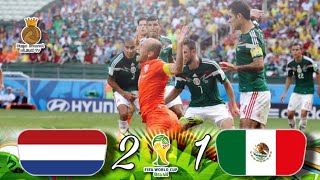
In the last two decades, the Netherlands and Mexico have met in several high‑profile fixtures, most notably the 2018 World Cup round‑of‑16 and the 2022 Nations League semi‑final. The 2018 clash was a tightly contested affair, with the Dutch side ultimately prevailing 2‑1 after extra time, showcasing a blend of disciplined defending and incisive attacking play. Four years later, Mexico secured a 2‑0 win, highlighting the growth of their defensive organization and the emergence of young talents capable of challenging European powerhouses. These recent games illustrate how each nation adapts to the evolving demands of modern football while maintaining the core identity that defines their style.
Tactical Overview: Dutch Total Football vs Mexican Technical Play
At the heart of the Netherlands‑Mexico comparison lies a clash of footballing philosophies. The Dutch approach, rooted in “total football,” emphasizes fluid positional interchange, high pressing, and a focus on controlling possession through short, precise passes. This system relies heavily on the ability of each player to adapt to multiple roles, creating numerical superiority in various zones of the pitch.
Mexico, on the other hand, traditionally prioritizes technical skill, quick transitions, and a compact defensive shape. Mexican teams often employ a 4‑3‑3 or 4‑2‑3‑1 formation that allows wingers to exploit the flanks with speed and creativity, while the midfield maintains a balance between defensive duties and orchestrating attacks. When these two styles meet, the match frequently becomes a tactical chess game, with the Dutch seeking to stretch the Mexican backline and the Mexicans aiming to absorb pressure and strike on the counter.
Key Players Who Shape the Contest
- Netherlands: A forward with a reputation for intelligent movement, a midfield maestro capable of dictating tempo, and a versatile defender comfortable playing both centrally and on the flank.
- Mexico: A dynamic winger known for dribbling prowess, a resilient central midfielder who excels in ball recovery, and a goalkeeper with a strong command of the penalty area.
Statistical Snapshot
- Overall head‑to‑head record: Netherlands leads with a modest margin, reflecting a historical advantage but also a series of closely contested matches.
- Average possession: Dutch teams typically dominate possession, often exceeding 55 % against Mexican sides that usually hover around 45 %.
- Goal‑scoring trends: Matches between the two nations frequently produce a total of two to three goals, indicating a balance between attacking intent and defensive solidity.
What to Expect in Future Showdowns
Looking ahead, the next encounter between Holland and Mexico is likely to be shaped by several factors. First, the continued development of youth prospects in both countries promises fresh talent capable of influencing the outcome. Second, tactical innovations—such as the Netherlands experimenting with a three‑center‑back system or Mexico integrating a high‑pressing approach—could alter the traditional dynamics of the rivalry. Finally, the psychological edge gained from recent victories will play a role; a win for either side can boost confidence and momentum heading into subsequent tournament stages.
Conclusion: A Rivalry Defined by Respect and Competition
While the Netherlands and Mexico may not share the same historical intensity as some intra‑continental rivalries, their matchups consistently deliver excitement, strategic depth, and moments of individual brilliance. The contrast between Dutch total football and Mexican technical play creates a compelling narrative that resonates with fans worldwide. As both nations continue to invest in player development and tactical sophistication, the Holland‑Mexico rivalry is poised to remain a highlight of any competition in which they meet, offering a showcase of football’s diverse styles and the enduring spirit of international competition.