How to Get Rid of Bed Bugs: A Comprehensive Guide
Bed bugs are tiny, parasitic insects that feed on human blood. They can infest any place where people sleep or rest, including homes, hotels, and even public places. If you suspect you have a bed bug infestation, it's crucial to act quickly to prevent the problem from spreading. This guide will provide you with effective strategies to eliminate bed bugs and protect your living space.
Identifying Bed Bugs
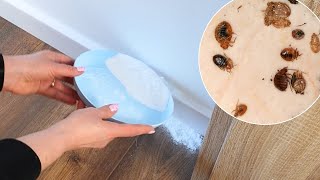
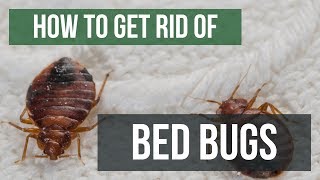
Before you can treat a bed bug infestation, you need to identify them. Bed bugs are small, flat, and oval-shaped, about the size of an apple seed. They are reddish-brown in color and have six legs. They are often found in seams of mattresses, box springs, bed frames, and headboards. They are also commonly found in cracks and crevices in furniture, walls, and baseboards.
Bed bugs can be difficult to spot, especially in the early stages of an infestation. They are nocturnal and hide during the day, only coming out at night to feed on blood. Look for signs of bed bugs, such as:
- Small, rust-colored spots of blood on your sheets and pillowcases, which are bed bug feces.
- Tiny, darkish-brown or reddish-brown shed skins that bed bugs leave behind after molting.
- Blood stains on your bedding or clothing.
- An intense, musty odor, which is often described as a combination of sweet and sour.
Preventing Bed Bug Infestations
Prevention is the best way to deal with bed bugs. Here are some tips to prevent bed bug infestations:
- Inspect second-hand furniture before bringing it into your home. Bed bugs can hitch a ride on used furniture, clothing, and other items.
- Wash your bedding and clothing in hot water regularly. This can help kill bed bugs and their eggs.
- Vacuum your home regularly, especially in areas where you suspect bed bugs are hiding. Seal the vacuum bag and dispose of it immediately.
- Keep your living space clean and clutter-free. Bed bugs thrive in dark, hidden places, so reducing clutter can make it harder for them to hide.
- Consider using bed bug-proof encasements for your mattresses and box springs. These encasements create a barrier that bed bugs cannot penetrate.
Treating Bed Bug Infestations
If you have confirmed a bed bug infestation, it's essential to take action immediately. Here are some effective treatments:
Heat TreatmentHeat treatment is one of the most effective ways to eliminate bed bugs. High temperatures can kill bed bugs and their eggs. You can use a bed bug heat treatment machine or a clothes dryer. Place the infested items in the dryer and run a hot cycle. The heat will kill the bed bugs and their eggs.
Chemical TreatmentsThere are several chemical treatments available for bed bug infestations. These treatments can be applied to mattresses, box springs, furniture, and other infested items. Some common chemical treatments include:
- Pyrethroids: These are insecticides that can kill bed bugs on contact. They are often used in sprays, dusts, and foggers.
- Insect Growth Regulators (IGRs): These chemicals disrupt the bed bug's ability to develop and reproduce. They are often used in dusts and sprays.
- Organophosphates: These chemicals can kill bed bugs and their eggs. They are often used in sprays and dusts.
It's essential to follow the instructions on the product label carefully when using chemical treatments. Always protect yourself and your pets by wearing gloves and working in a well-ventilated area.
Manual RemovalManual removal is a labor-intensive process that involves inspecting and treating each item in your home. This process can be time-consuming and expensive, but it can be effective in eliminating a bed bug infestation. Here are some tips for manual removal:
- Inspect and treat each item in your home, including mattresses, box springs, furniture, clothing, and bedding.
- Use a vacuum with a HEPA filter to remove bed bugs and their eggs from infested items.
- Launder infested clothing and bedding in hot water. The heat will kill the bed bugs and their eggs.
- Consider using a steamer to treat infested items. The steam can kill bed bugs and their eggs.
Seeking Professional Help
If you have a severe bed bug infestation, it may be necessary to seek professional help. Pest control professionals have the training and equipment to effectively eliminate bed bugs. They can also provide advice on preventing future infestations.
When choosing a pest control professional, look for one that is licensed, insured, and experienced in bed bug treatment. Ask for references and check reviews before hiring a pest control professional.
Conclusion
Bed bug infestations can be challenging to deal with, but with the right knowledge and tools, you can effectively eliminate them. Prevention is key, so be vigilant in inspecting your home for signs of bed bugs. If you do find an infestation, act quickly to treat it and prevent it from spreading. With patience and persistence, you can get rid of bed bugs and enjoy a pest-free living space.