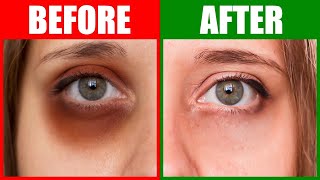
Understanding Dark Eye Circles in Children
Dark circles under the eyes are a common concern for parents, even in young children. While they are often harmless, they can make a child look tired or older than their age. Understanding why they appear helps parents choose safe and effective ways to reduce them.
Common Causes
Several factors can contribute to the appearance of dark eye circles in kids:
- Genetics – Some families naturally have thinner skin or more pigment around the eyes, making dark circles more noticeable.
- Sleep patterns – Inadequate or irregular sleep can cause blood vessels beneath the thin eye skin to become more visible.
- Allergies – Histamine release during allergic reactions can lead to swelling and discoloration.
- Dehydration – When the body lacks sufficient fluids, the skin may look dull and the circles appear darker.
- Nutrition – Deficiencies in iron, vitamin K, or vitamin C can affect blood flow and skin health.
- Screen time – Prolonged exposure to screens can strain the eyes and reduce the quality of sleep.
Gentle Lifestyle Adjustments
Because children's skin is delicate, the first line of action should focus on simple, non‑invasive habits that support overall health.
- Establish a consistent bedtime routine. Aim for 9‑11 hours of sleep for school‑age children. A calming pre‑sleep ritual—such as reading a book or a warm bath—helps the body transition to rest.
- Encourage proper hydration. Offer water throughout the day and limit sugary drinks. A good rule of thumb is to provide a cup of water at each meal and snack.
- Promote a balanced diet. Include iron‑rich foods (lean meat, beans, fortified cereals), vitamin C sources (citrus fruits, berries), and leafy greens that contain vitamin K. These nutrients support healthy blood circulation and skin integrity.
- Manage allergies. If a child has known allergies, work with a pediatrician to control exposure and use recommended antihistamines. Reducing nasal congestion can lessen puffiness around the eyes.
- Limit screen time before bed. Turn off electronic devices at least one hour before bedtime. The blue light emitted by screens can suppress melatonin, making it harder for children to fall asleep.
Safe Skincare Practices
When it comes to topical care, choose products that are specifically formulated for children or are fragrance‑free and hypoallergenic.
- Cold compress. A clean, chilled washcloth applied for a few minutes can constrict blood vessels and temporarily brighten the area.
- Gentle moisturizers. A thin layer of a pediatric‑safe moisturizer can keep the skin supple without causing irritation.
- Sun protection. Even brief outdoor exposure can increase melanin production. Apply a child‑friendly sunscreen to the face, including the delicate eye area, to prevent further darkening.
When to Seek Professional Advice
If dark circles persist despite lifestyle changes, or if they are accompanied by other symptoms such as chronic fatigue, frequent headaches, or unexplained bruising, consult a pediatrician. A medical professional can assess for underlying conditions such as anemia, thyroid disorders, or chronic sinus issues that may require specific treatment.
Putting It All Together: A Sample Daily Routine
Below is a practical schedule that incorporates the recommendations above:
- Morning – Start the day with a glass of water and a nutritious breakfast that includes whole grains and fruit.
- Mid‑day – Offer a water break and a balanced lunch with protein and vegetables. Encourage a short outdoor playtime to boost circulation.
- Afternoon – Limit screen use to 30 minutes. Provide a snack rich in iron, such as a handful of nuts or a slice of fortified toast.
- Evening – Serve a light dinner, then begin a wind‑down routine: dim lights, a warm bath, and a story. Apply a thin layer of a gentle moisturizer if the skin feels dry.
- Night – Ensure the bedroom is cool, dark, and quiet. Use a small night‑light if needed, and aim for a consistent bedtime.
Key Takeaways
Dark eye circles in kids are usually a sign of lifestyle factors rather than a serious medical problem. By prioritizing adequate sleep, hydration, balanced nutrition, and gentle skin care, most children will see a gradual improvement. Always keep an eye on any accompanying symptoms and involve a healthcare provider when needed. With consistent, child‑friendly habits, the appearance of dark circles can be reduced, allowing kids to look as vibrant as they feel.