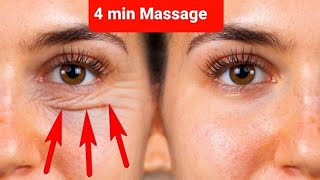
Understanding Eye Bags and Facial Lines
Eye bags and fine lines on the face are common signs of aging, stress, and lifestyle habits. While they are often harmless, many people seek ways to reduce their appearance for a smoother, more refreshed look. The skin around the eyes is thinner and more delicate than other areas, making it prone to puffiness, dark circles, and early wrinkle formation. Similarly, facial lines develop where the skin folds repeatedly, such as around the mouth, nose, and forehead.
Identify the Root Causes
Before choosing a treatment, it helps to know what triggers these concerns. Common factors include:
- Insufficient sleep or irregular sleep patterns
- High sodium intake leading to fluid retention
- Allergies that cause inflammation
- Smoking and excessive alcohol consumption
- Sun exposure without adequate protection
- Genetic predisposition
Lifestyle Adjustments That Make a Difference
Simple changes in daily habits can dramatically improve the look of eye bags and facial lines.
- Prioritize Quality Sleep – Aim for 7‑9 hours of uninterrupted rest. Elevate your head with an extra pillow to prevent fluid from pooling under the eyes.
- Stay Hydrated – Drinking enough water helps the body flush excess salt and reduces puffiness.
- Watch Your Diet – Limit processed foods, salty snacks, and sugary drinks. Incorporate potassium‑rich foods like bananas and leafy greens to balance fluid levels.
- Exercise Regularly – Cardiovascular activity improves circulation, which can diminish swelling and support collagen production.
- Quit Smoking – Tobacco accelerates collagen breakdown and deepens wrinkles.
- Protect Your Skin From the Sun – Use a broad‑spectrum sunscreen with at least SPF 30 daily, and wear sunglasses to shield the delicate eye area.
Optimizing Your Skincare Routine
A consistent skincare regimen tailored to the eye area can soften lines and reduce puffiness.
Cleansing
Choose a gentle, sulfate‑free cleanser. Harsh products strip natural oils, which can make fine lines appear more pronounced.
Targeted Eye Creams
Look for ingredients that have scientific support, such as:
- Peptides – Promote collagen synthesis.
- Caffeine – Constricts blood vessels, reducing swelling.
- Hyaluronic Acid – Attracts moisture to plump the skin.
- Retinol (in low concentrations) – Encourages cell turnover, but use only at night and follow with sunscreen.
Moisturizing and Protection
Apply a lightweight moisturizer that contains antioxidants like vitamin C or E. These protect against free‑radical damage that can accelerate line formation.
Gentle Application Techniques
Use your ring finger to tap the product lightly, avoiding pulling or rubbing the skin. This minimizes mechanical stress that could worsen lines.
Home Remedies and Natural Options
While not a substitute for medical treatments, several at‑home practices can complement your routine.
- Cold Compress – A chilled spoon or cucumber slices placed on the eyes for a few minutes can reduce swelling.
- Green Tea Bags – Cooled, used tea bags contain antioxidants and tannins that tighten skin temporarily.
- Facial Massage – Gentle upward strokes with a facial roller or your fingertips can improve lymphatic drainage.
- DIY Masks – A blend of mashed avocado, honey, and a few drops of almond oil offers hydration and soothing benefits.
Professional Treatments for Faster Results
If lifestyle and skincare changes are not enough, several minimally invasive procedures can address eye bags and facial lines more directly.
- Chemical Peels – Light to medium depth peels remove dead skin cells, encouraging new growth and smoother texture.
- Microneedling – Tiny needles create micro‑injuries that trigger collagen production, reducing fine lines over time.
- Laser Resurfacing – Targets deeper layers of skin to stimulate regeneration and tighten the area around the eyes.
- Dermal Fillers – Hyaluronic‑based fillers can add volume beneath the eyes, diminishing hollowness and shadows.
- Blepharoplasty – A surgical option that removes excess skin and fat from the eyelids for a permanent solution.
Consult a qualified dermatologist or plastic surgeon to discuss expectations, risks, and recovery times before choosing any procedure.
Preventive Tips for Long‑Term Maintenance
Maintaining the improvements you