Understanding the Causes of Eye Bags
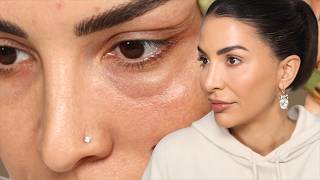
Eye bags are a common cosmetic concern that can make a face appear tired or older. The puffiness beneath the lower eyelid is usually the result of fluid retention, weakened skin, or the natural loss of collagen that occurs with age. Other contributors include genetics, allergies, lack of sleep, and lifestyle habits such as excessive salt intake or smoking. Recognizing the underlying factors helps you choose the most effective cosmetic strategies, whether you prefer simple at‑home remedies or professional interventions.
Skincare Foundations for Reducing Puffiness
Before turning to more advanced cosmetic options, establishing a solid skincare routine can make a noticeable difference. Gentle cleansing removes irritants that may exacerbate swelling, while a lightweight eye cream containing ingredients like hyaluronic acid, caffeine, or peptides can support circulation and hydration. Apply the product with a light tapping motion using your ring finger, avoiding any pulling on the delicate skin. Consistency is key—use the cream morning and night for best results.
Cosmetic Products That Target Eye Bags
Several over‑the‑counter formulations are designed specifically to diminish the appearance of eye bags. Look for products that combine the following proven ingredients:
- Caffeine – a vasoconstrictor that temporarily reduces fluid buildup.
- Peptides – help stimulate collagen production for firmer skin.
- Niacinamide – supports skin barrier function and reduces discoloration.
- Retinol – promotes cell turnover, though it should be used cautiously near the eyes.
When selecting a product, read the label for concentration levels and patch‑test on a small area of skin to avoid irritation.
Home Remedies and Lifestyle Adjustments
Simple changes in daily habits can complement cosmetic products and improve overall results. Elevating your head while sleeping helps prevent fluid from pooling under the eyes. Reducing sodium intake and staying well‑hydrated encourage the body to balance fluid levels naturally. Applying a cold compress—such as chilled tea bags or a thin slice of cucumber—for 10 to 15 minutes each morning can constrict blood vessels and lessen swelling. Regular exercise, adequate sleep, and managing allergy symptoms with appropriate medication also contribute to a smoother under‑eye area.
Gentle Massage Techniques
Massaging the orbital bone with light pressure can promote lymphatic drainage. Use your ring finger to draw short, outward strokes from the inner corner of the eye toward the temple. Perform this motion for about a minute after applying eye cream, ensuring you never tug on the skin.
Professional Cosmetic Treatments
If at‑home methods do not achieve the desired reduction, professional options are available. Dermatologists and plastic surgeons offer several minimally invasive procedures:
- Dermal fillers – hyaluronic‑acid fillers can add volume to the tear trough, creating a smoother transition and reducing shadowing.
- Laser resurfacing – fractional lasers stimulate collagen remodeling, tightening the skin around the eyes.
- Radiofrequency or ultrasound therapy – these devices heat deeper layers to encourage new collagen formation without surgery.
- Blepharoplasty – a surgical lift that removes excess fat and skin for a permanent solution.
Each treatment carries its own recovery timeline and potential risks, so a thorough consultation is essential. Ask your provider about expected outcomes, downtime, and any necessary pre‑ or post‑procedure care.
Choosing the Right Approach for You
Deciding how to get rid of eye bags cosmetically depends on your personal goals, budget, and tolerance for procedures. Start with a consistent skincare regimen and lifestyle tweaks; many people see measurable improvement within weeks. If those measures fall short, explore targeted eye creams that contain proven actives. For more pronounced puffiness, consider a professional treatment after discussing realistic expectations with a qualified practitioner. By combining thoughtful daily habits with the appropriate cosmetic products or procedures, you can achieve a refreshed, youthful look without compromising skin health.