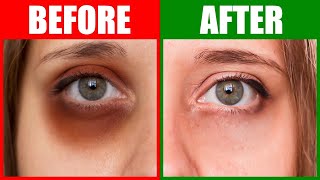
Why Glasses Can Contribute to Eye Bags
Many people notice puffiness or dark circles under their eyes after wearing glasses for several hours. The pressure from the frames, especially around the nose bridge and temples, can restrict circulation and cause fluid to accumulate in the delicate skin beneath the eyes. Additionally, glasses can trap heat and moisture, creating an environment that encourages swelling. Understanding these mechanical factors is the first step toward reducing eye bags caused by eyewear.
Adjusting Your Frames for Better Comfort
Properly fitting frames can dramatically lessen the strain on the skin around your eyes. Follow these simple adjustments:
- Check the nose pads. They should rest lightly on the sides of your nose without digging in. If they are too tight, gently bend them outward or replace them with softer silicone pads.
- Assess the temple arms. The arms should follow the contour of your head and rest comfortably behind your ears. Overly tight arms can pull the skin upward, contributing to puffiness.
- Choose lightweight materials. Frames made from titanium, acetate, or thin metal reduce overall pressure compared to heavy plastic designs.
Immediate Relief Techniques
When you feel eye bags forming during the day, these quick actions can help restore circulation and reduce swelling:
- Cold compress. Place a chilled spoon, chilled cucumber slices, or a soft washcloth that has been in the refrigerator on your closed eyes for 5–10 minutes. The cold constricts blood vessels, diminishing puffiness.
- Gentle massage. Using your ring finger, lightly tap or massage the area from the inner corner outward toward the temples. This encourages lymphatic drainage and eases fluid buildup.
- Hydration break. Drink a glass of water and take a few minutes to stand up, stretch, and move your head side to side. Improved blood flow can counteract the effects of prolonged frame pressure.
Skincare Habits That Support Eye Area Health
Consistent skin care can reinforce the skin’s resilience and minimize the appearance of eye bags. Consider incorporating the following steps into your routine:
- Cleanse gently. Use a mild, fragrance‑free cleanser to avoid irritation. Pat the skin dry rather than rubbing.
- Apply a hydrating eye cream. Look for ingredients such as hyaluronic acid, glycerin, or peptides, which help retain moisture and support skin elasticity.
- Use antioxidants. A serum containing vitamin C or green‑tea extract can protect the delicate skin from oxidative stress, which can worsen discoloration.
- Protect from UV rays. Even on cloudy days, wear sunglasses with UV protection to prevent sun‑induced damage that can make eye bags more pronounced.
Lifestyle Adjustments That Reduce Puffiness
Beyond eyewear, several everyday habits influence fluid retention around the eyes. Making small changes can have a noticeable impact:
- Sleep position. Elevate your head with an extra pillow to prevent fluid from pooling in the facial tissues overnight.
- Limit salty foods. Excess sodium encourages the body to retain water, which can manifest as swelling under the eyes.
- Avoid alcohol before bedtime. Alcohol dehydrates the body, prompting it to hold onto water in the next morning’s facial tissues.
- Stay active. Regular light exercise promotes circulation and lymphatic drainage, reducing chronic puffiness.
When to Seek Professional Advice
If eye bags persist despite frame adjustments, skincare, and lifestyle changes, it may be time to consult a professional. An optometrist can verify that your glasses are correctly prescribed and fitted, while a dermatologist can assess whether underlying skin conditions or allergies are contributing to the swelling. In some cases, a physician may recommend treatments such as laser therapy or gentle chemical peels to improve skin tone and firmness.
Putting It All Together
Getting rid of eye bags caused by wearing glasses involves a combination of proper frame fit, immediate relief tactics, supportive skincare, and healthy daily habits. By paying attention to how your eyewear interacts with the skin around your eyes and making thoughtful adjustments, you can keep the delicate under‑eye area looking refreshed and reduce the need for more invasive solutions. Consistency is key—regularly reassess your glasses’ comfort, stay hydrated, and give your skin the care it needs to stay resilient against everyday pressures.