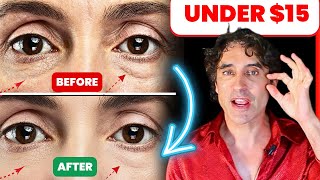
How To Get Rid Of Eye Bags With Laser Treatment
Eye bags—those puffiness and dark circles under the lower eyelids—can make you look tired even when you’re well rested. While lifestyle tweaks and topical creams can improve the appearance, many people turn to laser technology for a more lasting solution. This article explains what laser treatment involves, who can benefit, and how to prepare for and recover from the procedure.
What Causes Eye Bags?
Understanding the root causes helps you decide whether laser is the right option. Common factors include:
- Fluid retention that accumulates in the delicate skin around the eyes.
- Loss of collagen and elastin, which leads to sagging skin.
- Fat protrusion beneath the skin, often a natural part of aging.
- Genetic predisposition, which can make the under‑eye area thinner.
- Allergies or chronic inflammation that increase swelling.
When these issues combine, the result is a noticeable puffiness that can be difficult to conceal with makeup alone.
How Laser Works to Reduce Eye Bags
Laser devices deliver focused light energy to the skin, stimulating a cascade of biological responses. The most common lasers used for under‑eye rejuvenation are fractional non‑ablative lasers and pulsed dye lasers. Their actions include:
- Collagen remodeling: Heat generated by the laser prompts fibroblasts to produce new collagen, tightening loose skin.
- Improved circulation: Light energy encourages better blood flow, helping to drain excess fluid.
- Fat reduction: Certain laser wavelengths can gently break down superficial fat deposits, smoothing the contour.
- Pigment correction: If dark circles are partly due to melanin buildup, the laser can target and lighten those areas.
The result is a firmer, more even‑toned under‑eye region with reduced puffiness.
Benefits of Choosing Laser Over Other Methods
Laser treatment offers several advantages compared with surgical blepharoplasty or topical remedies:
- Minimally invasive: No incisions are required, which reduces the risk of scarring.
- Quick recovery: Most patients return to normal activities within a few days.
- Precision: The laser can be calibrated to treat only the affected tissue, preserving surrounding skin.
- Gradual improvement: Results develop over several weeks, giving a natural look rather than an abrupt change.
What to Expect During the Procedure
A typical laser session for eye bags lasts between 15 and 30 minutes. The steps usually include:
- Consultation and skin analysis to determine the appropriate laser type and settings.
- Application of a topical anesthetic to ensure comfort.
- Delivery of the laser pulses to the lower eyelid area, often in a series of overlapping passes.
- Cooling of the treated skin, either with a cold air device or a soothing gel, to minimize redness.
Most patients describe the sensation as a mild warmth or a series of gentle pins and needles.
Aftercare and Recovery Tips
Proper aftercare maximizes results and reduces the chance of complications. Follow these guidelines:
- Apply a cool compress for the first 24 hours to lessen swelling.
- Use a gentle, fragrance‑free moisturizer to keep the skin hydrated.
- Avoid direct sun exposure and wear a broad‑brimmed hat for at least two weeks.
- Refrain from vigorous facial exercises or heavy lifting for 48 hours.
- Follow any prescribed topical agents, such as silicone gels, as directed by your provider.
Most people experience mild redness that fades within a day or two. Subtle bruising may appear but typically resolves within a week.
Complementary Measures for Long‑Term Success
Laser treatment addresses the structural aspects of eye bags, but lifestyle habits still play a crucial role. Consider these supportive actions:
- Maintain a balanced diet low in sodium to reduce fluid retention.
- Stay well hydrated; adequate water intake helps the body flush excess fluid.
- Get sufficient sleep and elevate your head with an extra pillow to prevent overnight swelling.
- Use a gentle eye cream containing peptides or hyaluronic acid to keep the skin supple.
- Manage allergies with appropriate medication to limit inflammation.
Choosing a Qualified Provider
Because the skin around the eyes is thin and delicate, it’s essential to select a practitioner with specific experience in laser eye‑bag reduction. Look for:
- Board certification in dermatology, plastic surgery, or ophthalmic plastic surgery.
- Before‑and‑after photos of