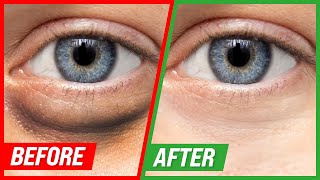
Understanding Eye Bags and Why Patches Work
Under‑eye bags are a common cosmetic concern that can make you look tired, older, or stressed. The skin around the eyes is thin and delicate, so even slight fluid buildup or loss of elasticity becomes noticeable. Eye‑bag patches are specially designed to target this area with a combination of cooling, hydration, and active ingredients that help reduce puffiness and improve skin texture.
Common Causes of Under‑Eye Puffiness
- Fluid retention – Salt, alcohol, or hormonal changes can cause water to collect under the eyes.
- Lack of sleep – Inadequate rest disrupts the lymphatic drainage that normally clears excess fluid.
- Allergies – Histamine reactions often lead to swelling and dark circles.
- Aging – Collagen loss and weakened skin support allow fluid to pool more easily.
- Genetics – Some people inherit a predisposition to deeper eye hollows and more visible bags.
How Eye‑Bag Patches Differ from Other Treatments
Traditional remedies such as cold spoons or tea bags provide temporary relief, but they lack the sustained delivery of active ingredients found in modern eye‑bag patches. Most patches contain a blend of hyaluronic acid, peptides, antioxidants, and botanical extracts that:
- Deliver moisture directly to the skin, plumping fine lines.
- Support collagen synthesis to improve firmness over time.
- Provide anti‑inflammatory benefits that calm redness and swelling.
- Offer a cooling effect that constricts blood vessels, reducing the appearance of puffiness.
Step‑by‑Step Guide to Using Eye‑Bag Patches Effectively
- Prepare the skin – Cleanse your face with a gentle cleanser and pat the eye area dry. Removing makeup and oils ensures the patch adheres properly.
- Chill the patches – For an extra refreshing sensation, place the sealed patch packet in the refrigerator for 10‑15 minutes before use.
- Apply the patches – Unfold the patches and align them with the under‑eye contour, covering the most puffy zones. Press gently to secure them in place.
- Leave them on – Follow the product’s recommended time, typically 10‑20 minutes. During this period, relax, keep your head elevated, and avoid rubbing the eyes.
- Remove and massage – Peel the patches off and discard them. Use the remaining serum to massage the skin in upward strokes, encouraging further absorption.
- Follow with a moisturizer – Seal in the benefits with a lightweight eye cream or gel that contains similar ingredients.
Complementary Practices to Maximize Results
- Stay hydrated – Drinking enough water helps the body regulate fluid balance and reduces the tendency to retain water under the eyes.
- Limit salty foods and alcohol – Both increase fluid retention; moderating intake can lessen puffiness.
- Get adequate sleep – Aim for 7‑9 hours nightly and use a pillow that keeps your head slightly elevated to promote drainage.
- Use gentle massage techniques – Light tapping with your ring finger can stimulate lymphatic flow and complement the patch’s effects.
- Apply sunscreen daily – UV exposure accelerates skin thinning; protecting the delicate eye area helps maintain elasticity.
Choosing the Right Eye‑Bag Patch for Your Needs
Not all patches are created equal. When selecting a product, consider the following factors:
- Ingredient profile – Look for hyaluronic acid for hydration, peptides for firmness, and antioxidants such as vitamin C or green‑tea extract for protection.
- Patch material – Soft, breathable fabrics adhere comfortably without tugging the skin.
- Duration of wear – Some patches are designed for quick 10‑minute sessions, while others can be left on for up to 30 minutes for deeper penetration.
- Allergy information – Check for fragrance‑free or hypoallergenic options if you have sensitive skin.
When to Seek Professional Advice
If eye bags persist despite consistent use of patches and lifestyle adjustments, it may be time to consult a dermatologist or ophthalmologist. Persistent swelling can sometimes signal underlying health issues such as thyroid disorders, sinus problems, or chronic allergies. A professional can recommend additional treatments such as laser therapy, fillers, or prescription‑