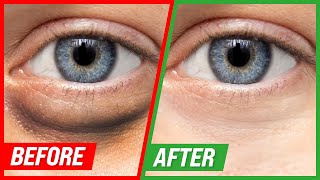
How To Get Rid Of Eye Bags Uk
Eye bags can make you look tired even after a full night’s rest. While they are a normal part of ageing, many people in the UK look for ways to reduce their appearance for a fresher, more rested look. This guide explains the most effective strategies, from daily habits to professional treatments, and highlights what works best in a British climate.
Understanding Why Eye Bags Appear
Before you can treat eye bags, it helps to know what causes them. The skin under the eyes is thin and delicate, making it prone to swelling and discoloration. Common contributors include:
- Fluid retention caused by high salt intake or hormonal changes.
- Reduced collagen production, which can happen with age or excessive sun exposure.
- Allergies or irritation that trigger inflammation.
- Sleep deprivation and chronic fatigue.
- Genetic predisposition, which can make the area more susceptible to puffiness.
Identifying the main factor for you will guide the most appropriate remedies.
Everyday Lifestyle Changes
Simple adjustments to your routine often have the biggest impact.
- Prioritise quality sleep. Aim for 7‑9 hours of uninterrupted rest. Use a pillow that supports your head slightly higher than your shoulders to prevent fluid from pooling under the eyes.
- Watch your diet. Reduce salty foods, processed snacks, and excessive alcohol, all of which can cause water retention. Incorporate potassium‑rich foods such as bananas and leafy greens to help balance fluids.
- Stay hydrated. Drinking enough water supports skin elasticity and helps flush excess fluid from the body. A good rule of thumb is eight glasses a day, but adjust for activity level and climate.
- Manage allergies. If you suffer from seasonal allergies, consider antihistamines or nasal sprays to limit inflammation that can worsen eye bags.
- Protect your skin from the sun. UV exposure breaks down collagen. Use a broad‑spectrum sunscreen with at least SPF 30 on the delicate eye area, and wear sunglasses on bright days.
Simple Home Remedies
Many people turn to kitchen‑based solutions for a quick fix. While these methods are temporary, they can be useful before a special occasion or when you need a fast refresh.
- Cold compress. Chill a clean washcloth or a pair of tea bags in the refrigerator for a few minutes, then place them over closed eyes for 10‑15 minutes. The cold constricts blood vessels, reducing swelling.
- Cucumber slices. The high water content and mild astringent properties of cucumber help soothe the skin. Place thin slices on each eye for 10 minutes.
- Baking soda paste. Baking soda has mild anti‑inflammatory properties. Mix a pinch with a few drops of water to form a smooth paste, apply gently to the under‑eye area, leave for a minute, then rinse thoroughly. Use this remedy no more than twice a week to avoid irritation.
- Green tea bags. Steep two tea bags, chill them, and then lay them on your eyes. The antioxidants and caffeine can tighten skin and reduce puffiness.
Targeted Skincare Products
When choosing an eye cream or serum, look for ingredients that address both fluid retention and skin firmness.
- Caffeine. Helps shrink blood vessels and diminish puffiness.
- Peptides. Support collagen production, improving skin elasticity over time.
- Hyaluronic acid. Provides deep hydration, making the under‑eye area appear smoother.
- Vitamin C. Offers antioxidant protection and can brighten dark circles that often accompany eye bags.
Apply products with a gentle tapping motion using the ring finger, which exerts the least pressure on delicate skin. Consistency is key; most formulations need at least four weeks of regular use to show noticeable results.
Professional Treatments Available in the UK
If lifestyle tweaks and home remedies are not enough, several clinical options can provide longer‑lasting improvement. Consult a qualified dermatologist or aesthetic practitioner to discuss suitability.
- Dermal fillers. Hyaluronic‑based fillers can add volume beneath the eye, reducing the shadow that makes bags appear deeper. Results typically last 9‑12 months.
- Laser resurfacing. Fractional lasers stimulate collagen remodelling, tightening skin and diminishing puffiness. Multiple sessions may be required, with downtime of a few days.
- Radiofrequency (RF) therapy. RF devices heat the deeper layers of skin, encouraging new collagen formation. This non‑invasive treatment is popular in UK clinics for its minimal recovery period.
- Blepharoplasty. For persistent, pronounced bags, a surgical eyelid lift can remove excess fat and skin. This is the most definitive