How To Get Rid Of Eye Puffiness Quickly
Eye puffiness, often called “bags” or “under‑eye swelling,” can make you look tired even after a full night’s rest. The delicate skin around the eyes is prone to fluid buildup, especially after a rough night, during allergy flare‑ups, or when you consume too much salt. Fortunately, a combination of immediate tricks, natural remedies, and lifestyle tweaks can dramatically reduce puffiness in a short amount of time.
What Causes Eye Puffiness?
Understanding the root causes helps you choose the most effective remedy. Common triggers include:
- Sleep deprivation or irregular sleep patterns
- Fluid retention from high‑sodium meals or dehydration
- Allergic reactions that inflame the tiny blood vessels under the eyes
- Genetic predisposition that makes the under‑eye area naturally thicker
- Age‑related loss of collagen, which reduces skin elasticity
Identifying which factor is most relevant to you will guide the choice of quick‑acting solutions.
Cold Therapy: The Fastest Way to Deflate Swelling
Cold temperature causes blood vessels to constrict, which limits fluid leakage into the tissue. Here are three safe, cold‑based methods you can try in under five minutes:
- Ice‑Wrapped Spoon: Chill a metal spoon in the freezer for 10‑15 minutes, then press the back of the spoon gently against each under‑eye area for 30 seconds.
- Gel Eye Masks: Keep reusable gel masks in the refrigerator. Place them over closed eyes for 5‑10 minutes; the consistent chill helps drain excess fluid.
- Cold Water Rinse: Splash cold water onto your face and pat the under‑eye skin with a soft towel. The brief shock can reduce puffiness instantly.
Hydration and Dietary Adjustments
While a cold compress works on the surface, internal hydration influences how much fluid your body retains. Follow these simple guidelines:
- Drink at least eight 8‑ounce glasses of water daily; aim for a light‑yellow urine color as a hydration cue.
- Limit salty snacks and processed foods, which encourage the body to hold onto water.
- Incorporate potassium‑rich foods such as bananas, avocados, and leafy greens; potassium helps balance sodium levels.
- If you suffer from seasonal allergies, consider an antihistamine after consulting a pharmacist or physician.
Skincare Ingredients That Calm Inflammation
Some over‑the‑counter products contain ingredients that can soothe the delicate under‑eye skin without causing irritation. Look for formulas that include:
- Caffeine – a mild vasoconstrictor that reduces the appearance of swelling.
- Green tea extract – rich in antioxidants and anti‑inflammatory compounds.
- Hyaluronic acid – draws moisture into the skin, preventing the “dry‑tight” feeling that can worsen puffiness.
- Niacinamide – improves skin barrier function and reduces redness.
Apply a pea‑sized amount with a gentle tapping motion; avoid rubbing, which can irritate the area.
Gentle Massage to Encourage Lymphatic Drainage
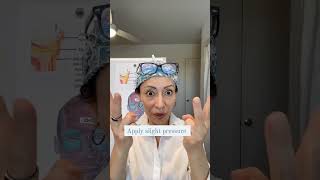
Massage stimulates the lymphatic system, helping excess fluid move away from the eyes. Use your index fingers to press lightly on the inner corner of the eye, just below the brow ridge, then glide outward along the orbital bone. Perform this motion for 30 seconds on each side, using a light pressure that feels comfortable.
Repeating the massage two to three times a day, especially after a cold compress, can enhance the de‑puffing effect.
Lifestyle Tweaks for Ongoing Prevention
Quick fixes are helpful, but consistent habits keep puffiness at bay:
- Sleep Position: Elevate your head with an extra pillow to prevent fluid from pooling overnight.
- Evening Routine: Remove makeup thoroughly and apply a lightweight eye cream before bed.
- Screen Time: Reduce blue‑light exposure in the evening; bright screens can disrupt sleep quality and increase eye strain.
- Stress Management: Practice deep breathing or short meditation sessions; stress hormones can exacerbate inflammation.
When to Consider Professional Help
If puffiness persists despite home remedies, or if it is accompanied by pain, vision changes, or severe discoloration, it may be time to consult a dermatologist or ophthalmologist. Professional options include:
- Prescription‑strength topical agents containing retinoids or corticosteroids (used under supervision).
- In‑office procedures such as laser therapy, chemical peels, or filler injections that address deeper tissue volume loss.
- Allergy testing to pinpoint specific triggers that may be causing chronic swelling.
Quick Recap: A Step‑by‑Step Routine
- Start with a cold compress (spoon, gel mask, or cold water) for 5‑10 minutes.
- Apply a caffeine‑ or green‑tea‑based eye serum using a gentle tapping motion.
- Perform a brief lymphatic massage with your index fingers, focusing on the inner corner and moving outward.
- Drink a glass of water and avoid salty snacks for the rest of the day.
- Elevate your head while you sleep and keep a consistent bedtime schedule.
By combining these immediate actions with longer‑term habits, you can dramatically reduce eye puffiness quickly and keep the under‑eye area looking bright and refreshed.