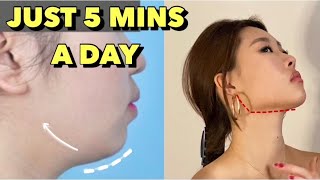
How To Get Rid Of Face Fat: Practical Tips That Actually Work
Many people notice that their face looks fuller than they’d like, and they wonder if there’s a quick fix. While you can’t target fat loss in one specific area, a combination of healthy habits, facial exercises, and lifestyle adjustments can help reduce overall body fat and give your face a slimmer appearance. Below is a step‑by‑step guide that explains the most effective strategies for losing face fat safely and sustainably.
Understand Why Face Fat Accumulates
Before diving into solutions, it’s helpful to know what contributes to a rounder face. Common factors include:
- Overall body weight gain – excess calories are stored as fat throughout the body, including the cheeks and jawline.
- Genetics – some people naturally store more fat in the facial area.
- Water retention – high sodium intake or hormonal changes can cause temporary puffiness.
- Poor posture – slouching can weaken facial muscles, making the face appear fuller.
- Stress and lack of sleep – both can increase cortisol, a hormone linked to fat storage.
Adjust Your Diet for Whole‑Body Fat Loss
Reducing facial fat starts with a balanced diet that supports overall weight loss. Here are evidence‑based dietary changes you can adopt:
- Track Your Calorie Intake – Use a phone app or a food journal to stay within a modest calorie deficit (typically 500 kcal below maintenance). This gradual approach helps preserve muscle while encouraging fat loss.
- Prioritize Protein – Aim for at least 0.8 g of protein per kilogram of body weight each day. Protein keeps you full, supports muscle repair, and can boost metabolism.
- Choose Whole Foods – Fill your plate with vegetables, fruits, lean meats, fish, legumes, and whole grains. These foods are nutrient‑dense and lower in added sugars.
- Limit Sodium and Refined Carbs – Excess salt promotes water retention, while sugary snacks can spike insulin and encourage fat storage. Swap chips for raw nuts and soda for infused water.
- Stay Hydrated – Drinking enough water (about 2 liters for most adults) helps flush excess sodium and reduces facial bloating.
Facial Exercises That Strengthen Muscles
While facial exercises won’t melt fat directly, they can tone the muscles underneath the skin, creating a more defined look. Perform each movement for 10‑15 repetitions, once or twice daily.
- Cheek Puff: Fill your mouth with air, hold for a few seconds, then release. This works the buccinator muscles.
- Jaw Release: Open your mouth wide as if yawning, then gently push your lower jaw forward. Repeat to engage the jawline.
- Smile Squeeze: Smile broadly, then place your fingertips on the corners of your mouth and push gently upward. Hold for five seconds.
- Neck Tilt: Tilt your head back, look toward the ceiling, and press your tongue to the roof of your mouth. This stretches the neck and chin area.
Incorporate Cardio and Strength Training
Cardiovascular exercise burns calories and promotes overall fat loss, which inevitably includes the face. Pair cardio with resistance training to preserve lean muscle mass.
- High‑Intensity Interval Training (HIIT) – Short bursts of intense activity (e.g., sprinting for 30 seconds) followed by brief rest can boost metabolism for up to 24 hours after the workout.
- Steady‑State Cardio – Activities like brisk walking, cycling, or swimming for 30‑45 minutes, three to five times a week, support consistent calorie burn.
- Full‑Body Strength Sessions – Use bodyweight moves (push‑ups, squats) or free weights to build muscle, which increases resting metabolic rate.
Lifestyle Tweaks That Reduce Puffiness
Small daily habits can make a noticeable difference in how “puffy” your face looks.
- Get Adequate Sleep – Aim for 7‑9 hours per night. Poor sleep can raise cortisol levels, leading to water retention.
- Manage Stress – Practice deep breathing, meditation, or yoga. Lower stress helps keep hormone levels balanced.
- Watch Alcohol Consumption – Alcohol dehydrates the body, prompting it to retain water when you rehydrate.
- Maintain Good Posture – Keeping your head aligned with your spine engages facial muscles and prevents a “double chin” effect.
When to Seek Professional Advice
If you’ve tried diet, exercise, and lifestyle changes for several months without seeing improvement, consider consulting a healthcare professional. Possible reasons for persistent facial fullness include:
- Underlying thyroid disorders
- Medication side effects that cause fluid retention
- Genetic conditions that affect fat distribution
A doctor can run appropriate tests, adjust medications, or refer you to a nutritionist or dermatologist for targeted guidance.
Putting It All Together
Getting rid of face fat is