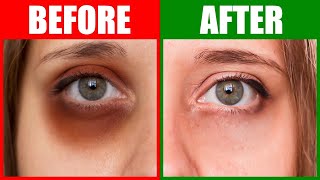
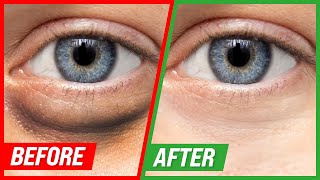
How To Get Rid Of Red Circles Under Eyes
Red circles under the eyes can be frustrating, but they are often a sign of temporary issues rather than a permanent condition. Understanding the reasons behind the discoloration and applying targeted strategies can dramatically improve the appearance of the under‑eye area. Below you will find practical steps that combine lifestyle adjustments, gentle skincare, and simple home remedies to help you reduce redness and restore a healthier look.
Identify the Common Causes
Before you begin treatment, it helps to know what might be triggering the red circles. The most frequent contributors include:
- Thin skin around the eyes, which makes blood vessels more visible.
- Allergic reactions to cosmetics, fragrances, or environmental irritants.
- Insufficient sleep or chronic fatigue, which can cause blood pooling.
- Excessive rubbing or pulling on the delicate skin.
- Inflammation from conditions such as eczema or rosacea.
Pinpointing the root cause allows you to tailor your approach and avoid unnecessary steps.
Adjust Your Lifestyle for Better Circulation
Improving blood flow and reducing inflammation are essential for fading red circles. Consider incorporating the following habits into your daily routine:
- Prioritize Quality Sleep: Aim for seven to nine hours of uninterrupted rest. Elevating your head with an extra pillow can prevent fluid from collecting under the eyes.
- Stay Hydrated: Drinking at least eight glasses of water a day helps keep skin supple and supports the removal of waste products that can cause redness.
- Exercise Regularly: Light cardio or yoga promotes circulation, which can diminish the appearance of blood vessels beneath the skin.
- Manage Stress: Techniques such as deep breathing, meditation, or short walks reduce cortisol levels that may aggravate inflammation.
- Limit Alcohol and Caffeine: Both substances can dehydrate the skin, making blood vessels more prominent.
Gentle Skincare Routine
The skin around the eyes is delicate, so choose products that soothe rather than irritate. Follow these steps each morning and night:
- Cleanse with a mild, fragrance‑free cleanser to remove debris without stripping natural oils.
- Apply a calming eye cream that contains ingredients such as cucumber extract, aloe vera, or niacinamide. These components help reduce redness and strengthen the skin barrier.
- Use a light tap‑in motion with your ring finger to avoid pulling on the skin. Patting also encourages lymphatic drainage.
- Finish with a broad‑spectrum sunscreen of at least SPF 30 to protect the area from UV‑induced inflammation.
Effective Home Remedies
Several inexpensive, at‑home treatments can complement your routine. Choose one or two that suit your preferences and use them consistently for best results.
- Cold Tea Bags: After steeping two tea bags, chill them in the refrigerator. Place the cool bags over closed eyes for 10‑15 minutes. The tannins in tea help constrict blood vessels, while the cold temperature reduces swelling.
- Cold Spoon Technique: Refrigerate a metal spoon for 30 minutes, then gently press the back of the spoon against the under‑eye area for a few minutes. The immediate chill can lessen redness instantly.
- Chamomile Water Rinse: Brew a strong chamomile tea, let it cool, and soak cotton pads. Apply the pads to the eyes for 5‑10 minutes. Chamomile’s anti‑inflammatory properties soothe irritated skin.
- Honey and Yogurt Mask: Mix one teaspoon of raw honey with two teaspoons of plain yogurt. Apply the blend under the eyes for 10 minutes, then rinse with cool water. Honey offers antibacterial benefits, while yogurt provides gentle exfoliation.
When to Seek Professional Advice
If red circles persist despite lifestyle changes and home care, it may be time to consult a dermatologist or ophthalmologist. Seek professional evaluation if you notice any of the following:
- Sudden swelling, pain, or vision changes.
- Persistent redness that spreads beyond the under‑eye area.
- Signs of infection such as pus, crusting, or fever.
- Underlying skin conditions like eczema, psoriasis, or rosacea that require prescription treatment.
A specialist can determine whether a medical condition, allergic response, or vascular issue is contributing to the discoloration and recommend targeted therapies such as topical steroids, laser treatment, or prescription‑strength eye creams.
Long‑Term Prevention Tips
Maintaining the improvements you achieve is just as important as the initial treatment. Adopt these habits to keep red circles at bay:
- Use hypoallergenic makeup and remove it gently each night.
- Keep your bedroom dark and cool to promote restful sleep.
- Apply a thin layer of petroleum‑based ointment before bedtime if you have especially dry skin; this creates a barrier that reduces irritation.
- Schedule regular eye check‑ups to monitor any changes in vision or eye health.
- Stay consistent with sunscreen and antioxidant‑rich diets, as both support skin resilience.
By