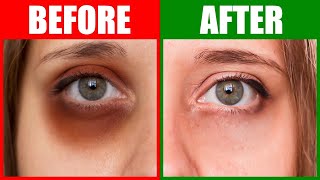
Understanding Vascular Eye Bags
Vascular eye bags are the dark, slightly puffy shadows that appear under the eyes, often caused by tiny blood vessels that become more visible through thin skin. Unlike pure fat deposits, these bags have a noticeable reddish‑purple hue because of the underlying vasculature. Recognizing the difference helps you choose the most effective strategies for reduction.
Common Triggers and Why They Matter
Genetics and Skin Thickness
Some people naturally have thinner skin around the eyes, making blood vessels more apparent. If your parents have similar under‑eye shadows, you may be predisposed to vascular eye bags.
Age‑Related Changes
As we age, collagen production slows, and the skin loses elasticity. This allows the delicate vessels to expand and become more visible.
Lifestyle Factors
- Insufficient sleep or irregular sleep patterns
- Excessive alcohol consumption, which dilates blood vessels
- High sodium intake, leading to fluid retention
- Chronic eye strain from screens
Practical Steps to Reduce Vascular Eye Bags
1. Optimize Your Sleep Routine
Aim for 7–9 hours of quality sleep each night. Elevating your head with an extra pillow can prevent fluid from pooling under the eyes, which often accentuates vascular shadows.
2. Manage Fluid Retention
Reduce sodium in your diet and stay well‑hydrated with water. A balanced intake of potassium‑rich foods such as bananas, sweet potatoes, and leafy greens helps regulate fluid balance.
3. Use Cold Therapy
Applying a cool compress for 10–15 minutes each morning can constrict blood vessels, temporarily diminishing the reddish hue. Simple options include chilled cucumber slices, refrigerated tea bags, or a clean, damp washcloth kept in the refrigerator.
4. Choose Gentle Skincare Products
Look for eye creams that contain ingredients known to support vascular health without irritating the delicate skin:
- Caffeine – a mild vasoconstrictor that can reduce the appearance of blood vessels.
- Niacinamide – improves skin barrier function and may lessen discoloration over time.
- Peptides – support collagen production, helping the skin become firmer.
- Vitamin C – an antioxidant that strengthens capillary walls.
Apply these products with a light tapping motion, avoiding any pulling on the skin.
5. Protect Your Skin from UV Damage
Ultraviolet exposure weakens blood vessel walls and accelerates skin thinning. Wear sunglasses with UV protection and apply a broad‑spectrum sunscreen (minimum SPF 30) to the orbital bone each morning.
6. Incorporate Anti‑Inflammatory Foods
Foods rich in omega‑3 fatty acids, such as salmon, walnuts, and flaxseeds, can help reduce inflammation that contributes to vascular visibility. Adding a handful of berries daily provides antioxidants that protect skin cells.
7. Limit Alcohol and Caffeine
Both substances can cause temporary dilation of blood vessels. Moderating intake, especially in the evening, can prevent the bags from becoming more pronounced.
When Lifestyle Adjustments Aren’t Enough
Professional Treatments
If home remedies provide only modest improvement, consider consulting a dermatologist or qualified aesthetic practitioner. Common options include:
- Laser Therapy – targets hemoglobin in superficial vessels, reducing redness.
- Radiofrequency or Microneedling – stimulates collagen production, thickening skin and masking underlying vessels.
- Topical Prescription Agents – such as hydroquinone or retinoids, which can gradually lighten discoloration.
These procedures should be performed by trained professionals, and a thorough discussion of risks and benefits is essential.
Medical Evaluation
Rarely, persistent vascular eye bags may signal an underlying condition such as thyroid eye disease or chronic sinus congestion. If you notice sudden swelling, pain, or changes in vision, seek medical advice promptly.
Long‑Term Maintenance Tips
Consistency is key. Even after successful reduction, maintaining healthy habits helps prevent recurrence:
- Continue using a gentle eye cream with vasoconstrictive ingredients.
- Maintain a balanced diet low in processed salts and high in antioxidants.
- Stay hydrated and keep sleep regular.
- Protect the area from sun exposure year‑round.
- Schedule periodic check‑ins with a skincare professional if you choose advanced treatments.
By integrating these practices into your daily routine, you can keep vascular eye bags at bay and enjoy a brighter, more refreshed appearance.
Bottom Line
Getting rid of vascular eye bags involves a combination of lifestyle tweaks, targeted skincare, and, when needed, professional interventions. Understanding the underlying causes empowers you to select the most appropriate methods, whether it’s a cold compress in the morning, a caffeine‑infused